

Sugar-Free Diet: What Does It Really Mean in Everyday Life?
Going sugar-free does not have to mean turning every meal into a list of restrictions. Understanding where sugars come from, what “no added sugar” means and how sweeteners work makes everyday food and drink choices much easier.
“Sugar-free” sounds like a very simple idea until you start reading food labels. Milk naturally contains lactose, fruit contains naturally occurring sugars, and a sweet drink can contain 0 g of sugar. That is why a sugar free diet is easier to understand when you begin with the ingredients rather than a long list of foods to avoid.
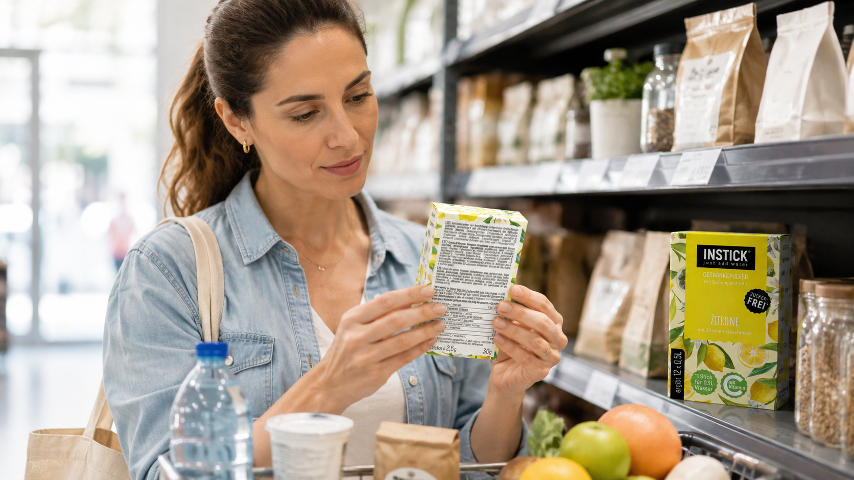
In everyday life, the most useful skill is often simply knowing how to read a label. The ingredient list, nutrition information and serving size can usually tell you much more than the front of the package alone.
What does a sugar-free diet actually mean?
People use the term in different ways. For some, it means no longer adding sugar to coffee or tea. Others focus on reducing foods and drinks made with added sugar. Some pay attention to the total amount of sugars shown on nutrition labels.
So there is no single everyday version of a sugar free diet that fits everyone. A more practical approach is to decide what you are actually trying to change. If your goal is to reduce added sugar, for example, naturally occurring sugars in foods such as milk and whole fruit are a different question.
The words on the front of a package can help you navigate the shelf, but the ingredient list and nutrition table explain what is actually in the product.
Naturally occurring sugar and added sugar are not the same thing
Some sugars are naturally present in foods. Milk contains lactose. Fruit naturally contains sugars including glucose and fructose. These are part of the food itself.
Added sugar, on the other hand, is introduced as part of a recipe or manufacturing process. That distinction matters because a single number on the “sugars” line does not always explain where those sugars came from.
For anyone building a practical sugar free diet, it makes sense to read the ingredient list together with the nutrition information instead of treating every source of sugar as identical.
“Sugar free” and “no sugar added” mean different things
These two phrases are easy to confuse. A no sugar added product has not had sugar added as an ingredient during processing, but it may still contain sugars that occur naturally in its ingredients.
A “sugar free” claim refers to the amount of sugar in the product and must meet the applicable labeling requirements in the market where the product is sold.
That is why the label should be read as a whole. A front-of-pack claim gives you useful information, but it does not replace the ingredient list, serving information or the rest of the nutrition panel.
Where should you look for sugar on an ingredient list?
Sugar can appear under a number of familiar ingredient names, including sucrose, glucose, fructose and dextrose, as well as different syrups. Honey and fruit concentrates can also contribute sugars to a product.
You do not need to memorise every possible term. If a food tastes sweet and you want to know where that sweetness comes from, start with the ingredient list and then check the amount of sugars in the nutrition table.
This becomes especially easy with products you buy regularly. Once you have looked carefully at your usual drink, yogurt, breakfast food or sauce, you do not need to start from zero every time you shop.
Sweet taste does not always mean sugar
This is one of the most useful ideas to understand when following a sugar free diet. We naturally associate sweetness with sugar, but sugar is not the only ingredient that can create a sweet taste.
High-intensity sweeteners such as sucralose and acesulfame K can be used in foods and drinks to provide sweetness without ordinary sugar. That is why some sugar free food and drinks can taste distinctly sweet while the nutrition table shows 0 g of sugar.
Taste alone therefore cannot tell you how much sugar is present. The label can.
Does sugar free also mean carbohydrate free?
No. Sugar and carbohydrates are related terms, but they are not interchangeable. Sugars are one type of carbohydrate, while a product may contain other carbohydrates even if it contains 0 g of sugar.
If carbohydrate content matters to you, check that line separately in the nutrition table rather than assuming it from a “sugar free” claim.
Which everyday products are worth checking first?
There is no need to inspect every item in your kitchen at once. A simpler approach is to begin with the foods and drinks you consume most often.
- Drinks. Check sugars, sweeteners and serving size.
- Yogurt and dairy products. Remember that milk naturally contains lactose.
- Breakfast foods and snacks. Read both the ingredients and the sugars line.
- Sauces. Their sugar content is not always obvious from taste alone.
- Sugar-free desserts. Check which ingredients are used to provide sweetness.
If the goal is to eat sugar free in a realistic way, concentrating on the foods that appear most often in your routine is usually more manageable than trying to redesign everything at once.
Drinks are a useful place to see how labels work
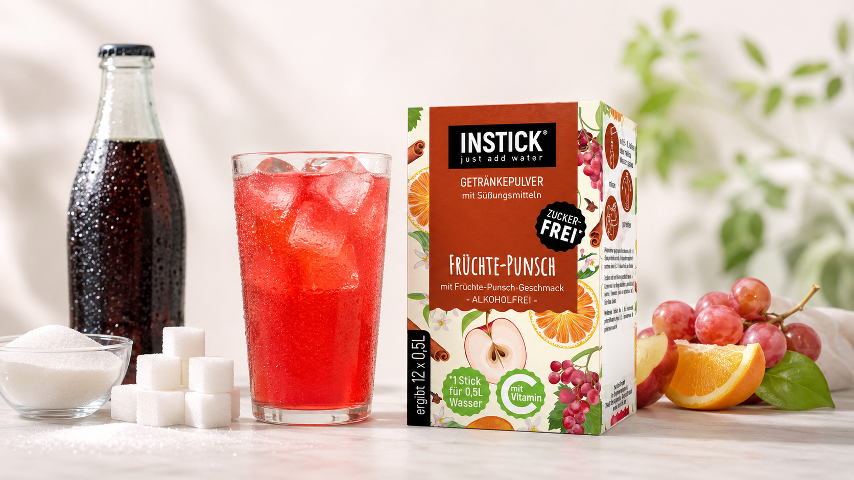
Once sugar is dissolved in a drink, you cannot see it. In exactly the same way, you cannot tell from sweetness alone whether that drink contains sugar or a sweetener.
This makes beverages a particularly clear example of the difference between taste and nutritional composition. A drink can taste sweet while still showing 0 g of sugar in the nutrition table.
A practical example: INSTICK Orange
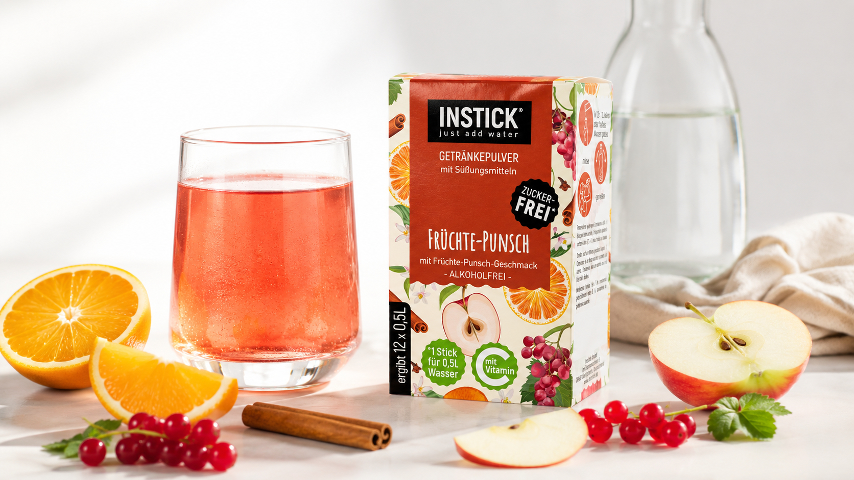
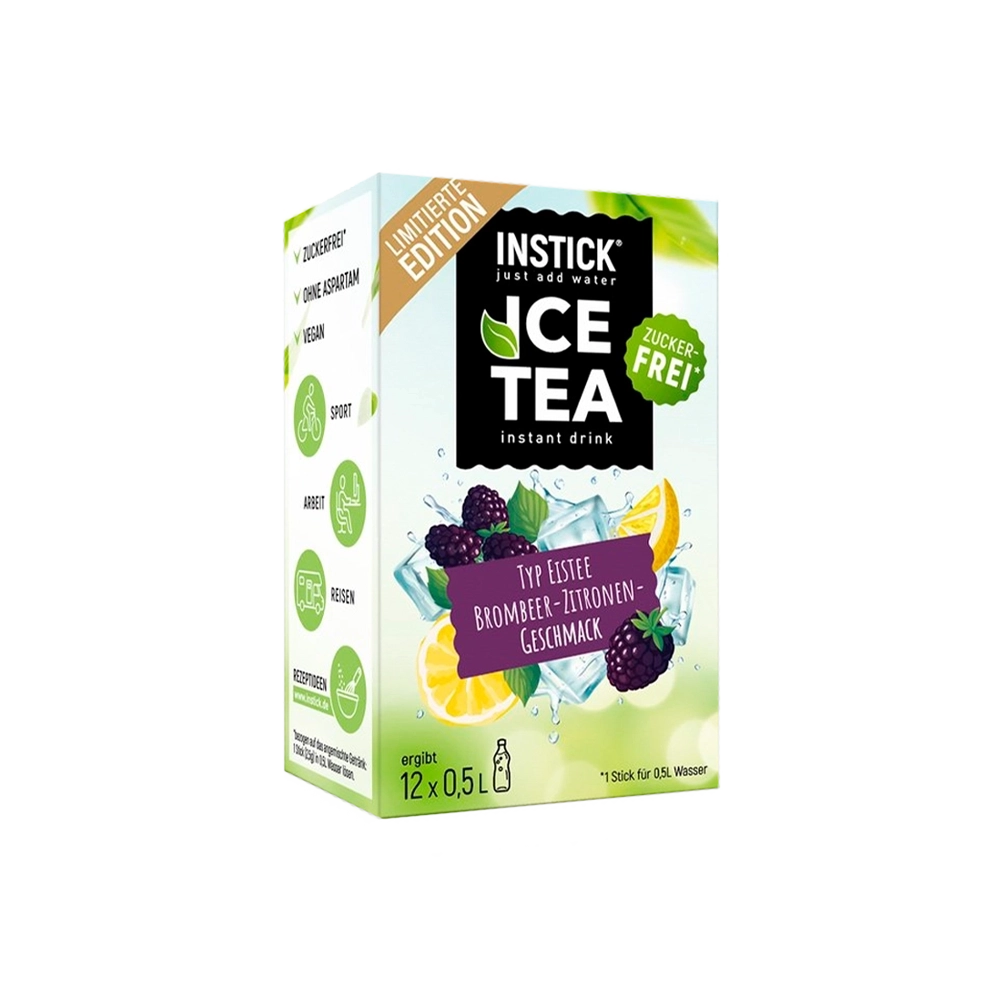
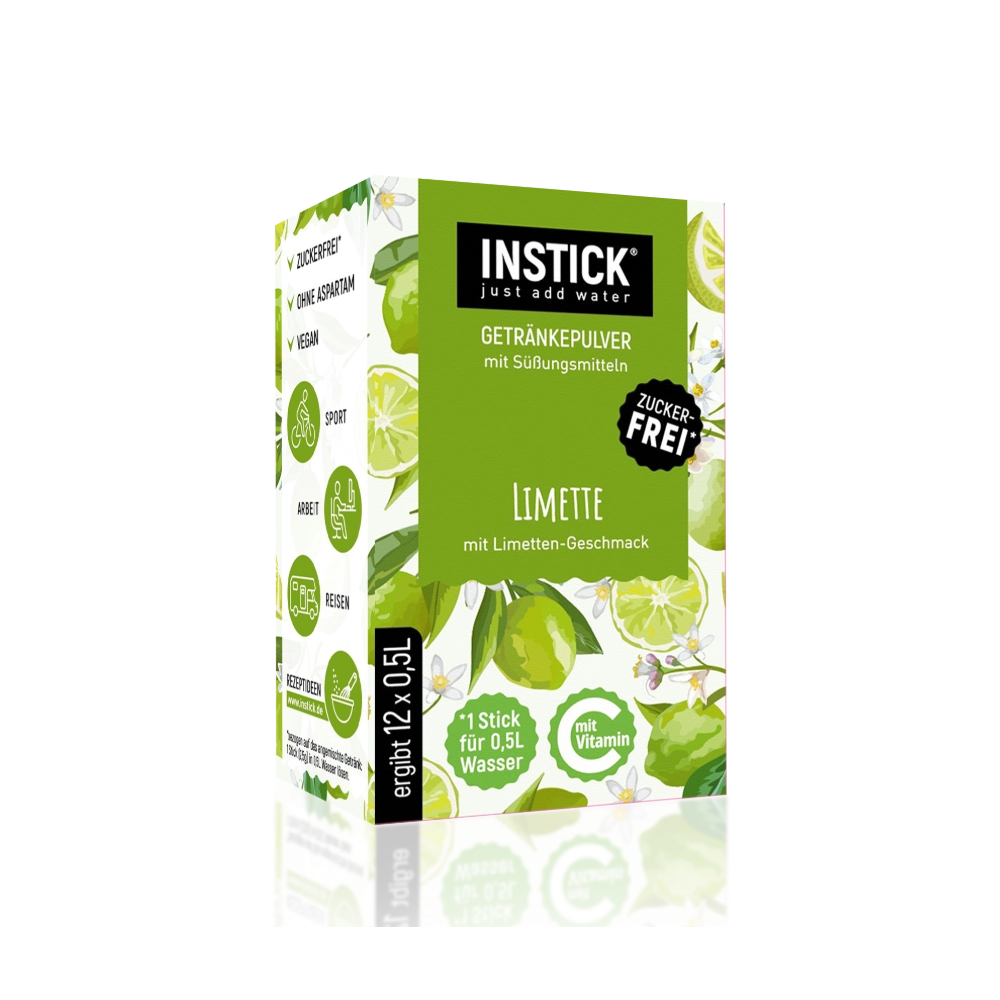
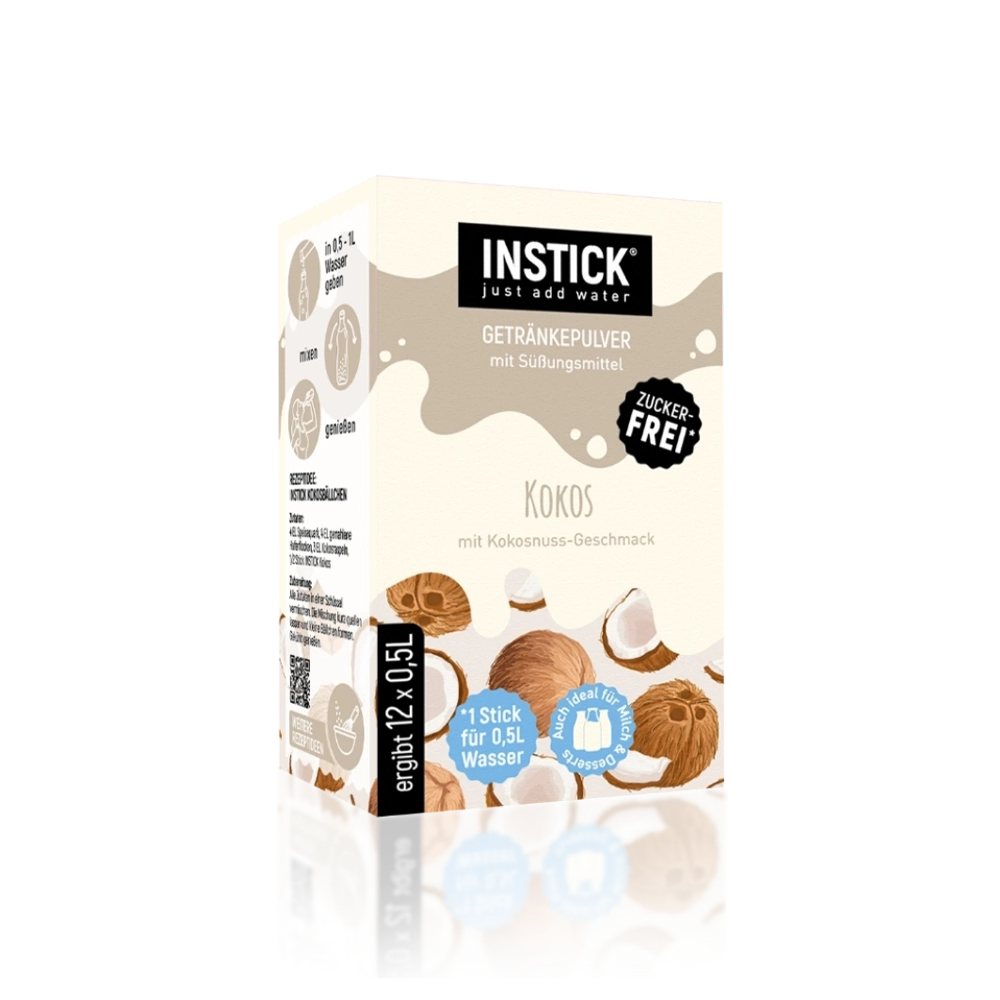
INSTICK Orange is a sugar-free drink mix. Its sweet taste comes from sucralose and acesulfame K rather than sugar.
The ingredient list also includes citric acid, malic acid, maltodextrin, natural flavours, gum arabic as a stabiliser, colouring food ingredients from safflower and black carrot, and L-ascorbic acid, which is vitamin C.
One stick contains 2.5 g of powder and is designed to prepare 0.5 litres of drink with water. The prepared drink contains 2 kcal and 0 g of sugar per 100 ml. That means the full 500 ml prepared drink contains 10 kcal and 0 g of sugar.
This is a straightforward example of how a sugar free diet does not automatically mean giving up sweet flavours. Here, sweetness is created by sweeteners rather than sugar.
How to read a label in a few seconds
You can make label reading much quicker by checking information in the same order every time.
- Start with the claim. Does the package say “sugar free” or “no sugar added”?
- Read the ingredient list. Look for sugar, syrups or sweeteners.
- Find the sugars line. Check the actual amount shown in the nutrition information.
- Check the serving size. Values may be listed per 100 g, per 100 ml or per serving.
- For mixes, read the preparation instructions. The values may refer to the product after it has been prepared.
Foods with no added sugar can still be very different
Two foods with no added sugar may have completely different ingredient lists and nutritional profiles. A yogurt, fruit product and drink mix are not nutritionally identical just because a similar claim appears on the front of the package.
This is why it helps to evaluate the product as a whole. Sugar content is one useful piece of information, but it is not the only piece.
You do not need to count every gram all day
Understanding labels does not mean turning every meal into a calculation. Once you know the products you use regularly, most everyday decisions become very quick.
You might compare a few drinks once, check your usual yogurt or look at the label on a favourite sauce. Small habits like these make a sugar free diet much easier to manage without making food feel complicated.
The bottom line
A sugar free diet does not have to begin with strict rules. It can start with understanding a few simple distinctions: naturally occurring versus added sugars, “sugar free” versus “no sugar added,” and sweet taste versus actual sugar content.
Start with the foods and drinks you buy most often. Read the ingredients, check the sugars line and look at the serving size. Once those habits become familiar, making informed choices takes only a few seconds.
Maya Levi
Content editor at INSTICK Israel. Writes about nutrition in plain language, without jargon or lectures. Mom of two who keep trying to steal her sticks.
All Articles by Maya Levi ←